Design Your Own Low-Maintenance Gravel Garden
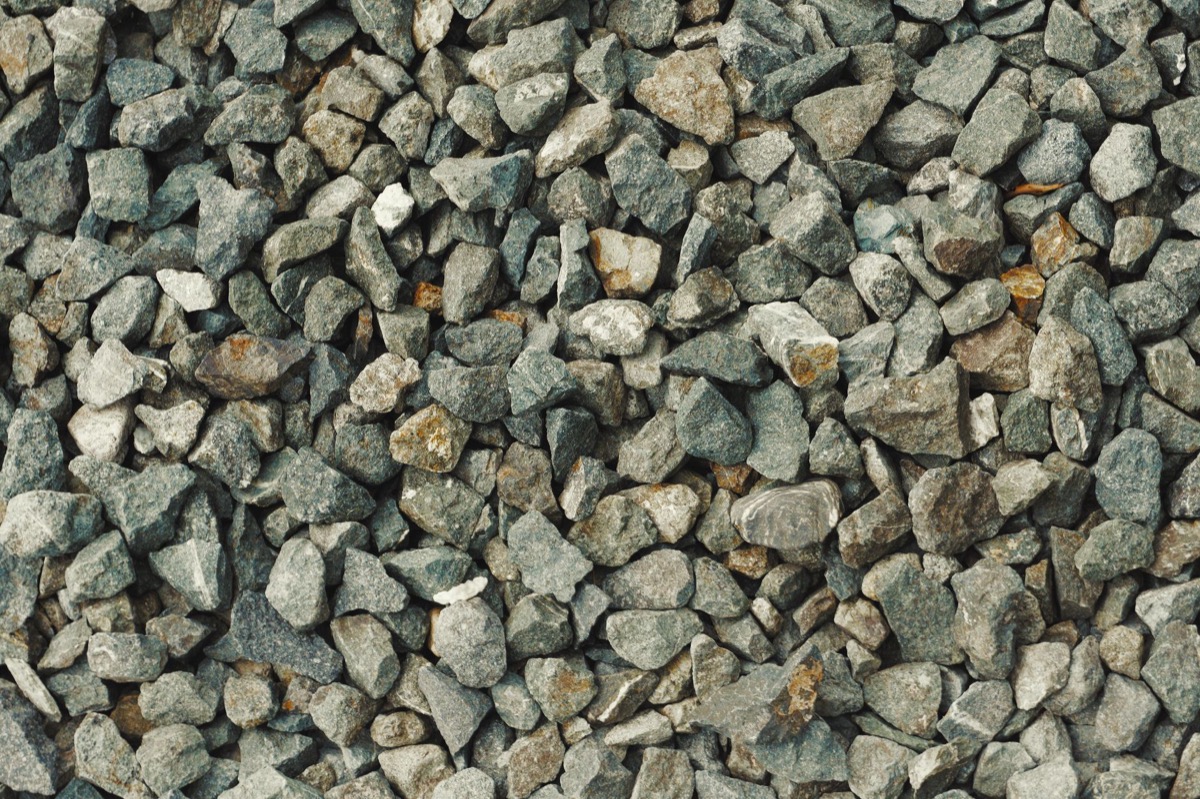
Gravel gardens are a growing trend, celebrated for their aesthetic appeal and functional benefits. As highlighted by Real Simple, these landscapes are increasingly popular as a "low-maintenance, water-saving yard upgrade." This approach to landscaping offers an attractive solution for homeowners seeking to reduce water consumption and upkeep, particularly relevant in regions where water conservation is a priority.
Whether you're aiming for a striking desert landscape gravel design or simply want a more sustainable outdoor space, understanding the fundamentals of planning and installation is key. This guide will walk you through the practical steps and design considerations for creating your own beautiful and efficient gravel garden.
Why Embrace Gravel for Your Landscape?
The appeal of gravel gardens stems from a combination of environmental and practical advantages. Beyond their visual charm, they offer significant benefits:
- Water Conservation: Gravel surfaces reduce evaporation from the soil, allowing you to use less water for irrigation, especially when paired with drought-tolerant plants. This is a primary driver behind their growing popularity as a water-saving solution.
- Low Maintenance: Once established, a gravel garden requires minimal weeding, mowing, or extensive pruning compared to traditional lawns or heavily planted beds.
- Durability: Gravel is a resilient material that can withstand various weather conditions, providing a long-lasting landscape solution.
- Versatility: From pathways and patios to full garden beds, gravel can be integrated into diverse designs and styles, complementing both modern and traditional aesthetics.
- Improved Drainage: A properly installed gravel base can enhance soil drainage, which is crucial for the health of many plants, particularly in arid climates.
Designing Your Low-Maintenance Oasis
Creating an effective desert landscape gravel garden involves thoughtful planning and design. Consider these elements:
- Site Assessment: Evaluate your yard's sun exposure, existing drainage patterns, and soil conditions. This will inform your plant and gravel choices.
- Define Your Style: Decide on the aesthetic you want to achieve. A desert landscape might feature succulents, ornamental grasses, and large boulders, while a Mediterranean style could incorporate lavender and olive trees.
- Plant Selection: Choose drought-tolerant plants that thrive in your climate. Examples include cacti, agaves, yuccas, salvias, and various ornamental grasses. Group plants with similar water needs together.
- Pathways and Hardscaping: Integrate gravel pathways, stepping stones, or larger flagstones to create visual interest and functional access. Consider how these elements will complement your chosen gravel.
- Layers and Texture: Combine different sizes and colors of gravel with varied plant textures and hardscape elements to add depth and interest. Varying heights in plantings also contribute to a dynamic design.
Choosing the Right Materials
The type of gravel you select will significantly impact both the look and functionality of your garden. Popular options for a desert landscape gravel garden include:
- Decomposed Granite (DG): Offers a natural, earthy look and compacts well, making it excellent for paths and patios. It comes in various natural colors.
- Crushed Stone: Available in many sizes and colors, from fine dust to larger aggregates like Crushed Stone #57. It provides excellent drainage and stability. For specific estimates, explore our Gravel Density by Type guide and Gravel Coverage per Ton.
- Pea Gravel: Small, smooth, rounded stones that create a softer, more uniform look. Often used in Japanese gardens or for decorative accents.
- River Rock: Larger, smooth, rounded stones, ideal for dry creek beds, borders, or as accents.
When selecting, consider the gravel's color, size, and how it will interact with your plants and hardscaping. Lighter colors can reflect heat, potentially keeping the area cooler, while darker colors absorb it.
Installation: A Step-by-Step Approach
Proper installation is crucial for a low-maintenance gravel garden that lasts:
- Prepare the Site: Clear the area of all existing vegetation, especially weeds and grass. Grade the area to ensure proper drainage, sloping away from structures if possible.
- Install Edging: Use sturdy edging (metal, plastic, or stone) to contain your gravel and prevent it from migrating into adjacent areas. This also creates a clean, defined border.
- Lay Down a Weed Barrier: A high-quality landscape fabric or permeable geotextile barrier is essential. This allows water to pass through but suppresses weed growth. Overlap seams by at least 6-12 inches and secure with landscape pins.
- Place Plants: Cut X-shapes in the weed barrier to plant your chosen drought-tolerant species. Ensure proper spacing for future growth.
- Spread the Gravel: Begin by spreading an even layer of your selected gravel, typically 2-4 inches deep, over the landscape fabric. Use a rake to distribute it evenly. For accurate material estimates, use our free gravel calculator to determine the tonnage you'll need, or check our Gravel Cost Calculator for budgeting.
- Water and Settle: Lightly water the newly laid gravel to help settle it and wash away any dust.
Ongoing Care for Your Gravel Garden
While low-maintenance, a gravel garden isn't maintenance-free. Occasional tasks include:
- Weeding: Even with a weed barrier, some opportunistic weeds may sprout. Pull them promptly to prevent them from becoming established.
- Edging Maintenance: Periodically check and adjust edging to ensure it continues to contain the gravel effectively.
- Raking: Rake the gravel occasionally to redistribute it evenly, especially in high-traffic areas, and to remove fallen leaves or debris.
- Pruning Plants: Trim drought-tolerant plants as needed to maintain their shape and health.
- Refreshing Gravel: Over time, some gravel may settle or be lost. You may need to add a fresh top layer every few years to maintain depth and appearance.
Cubic yards for 100 sq ft by gravel depth
Key Takeaways
- Gravel gardens offer significant water savings and reduced maintenance compared to traditional lawns.
- Strategic planning, including site assessment and plant selection, is crucial for a successful design.
- Choosing the right gravel type impacts both aesthetics and functionality; consider size, color, and texture.
- Proper installation with a weed barrier and edging is key to long-term low maintenance.
- Even low-maintenance gardens require occasional weeding, raking, and plant care to thrive.
Try It Yourself — Free
Ready to start your own gravel garden project? Our free gravel calculator can help you estimate the exact amount of material you'll need for your design. For larger projects, don't forget to check out our Gravel Tonnage Calculator.
Related Resources
More From Our Network
- Duct Size Calculator
- cyberfrad — our network
Sources
- Real Simple — Original report