How to Stop Driveway Gravel from Spreading & Scattering
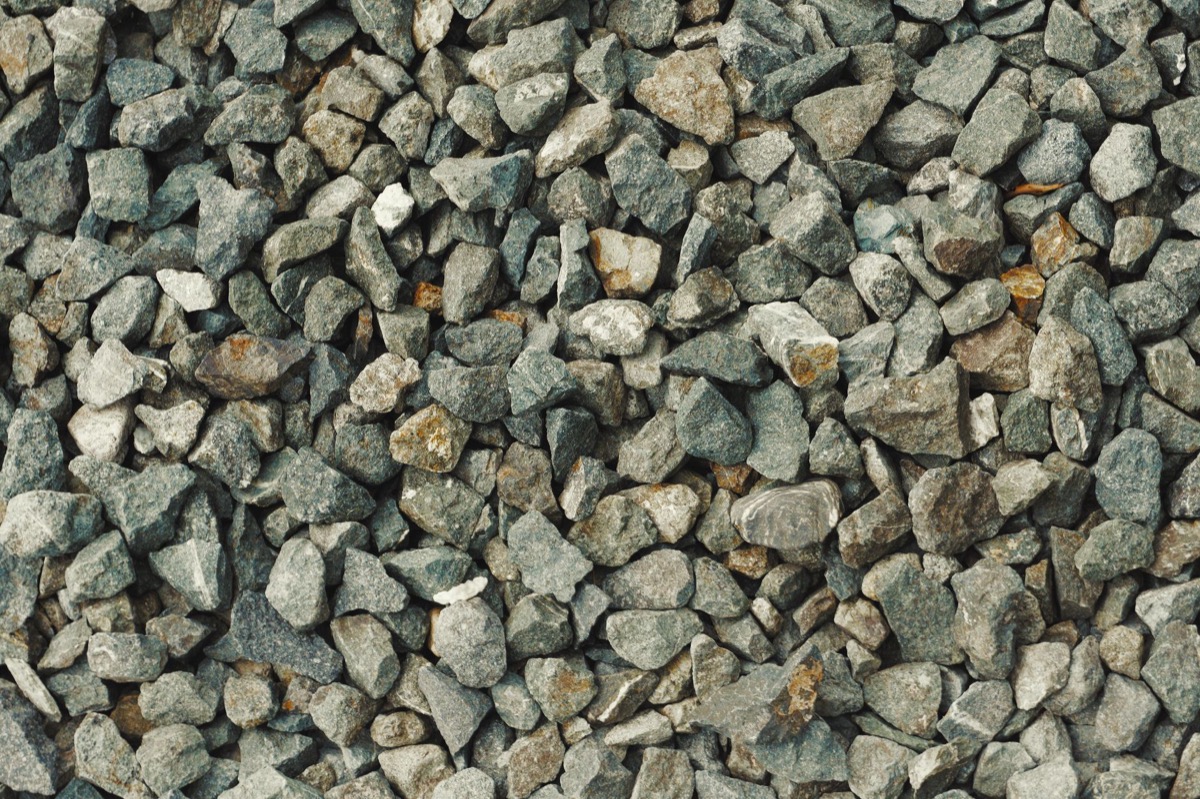
A beautiful gravel driveway can enhance curb appeal, but loose gravel migrating onto lawns, roads, or even sidewalks is a common frustration for homeowners. This widespread issue was recently highlighted by outlets like MSN, underscoring the universal challenge of keeping driveway aggregate contained.
Fortunately, there are proven strategies to stop gravel spread, ranging from robust edging solutions to advanced stabilization systems and proper installation methods. By understanding and implementing these techniques, you can maintain a tidy, functional gravel driveway that stays where it belongs.
Build a Strong Foundation: Sub-Base and Drainage
The battle against spreading gravel begins below the surface. A well-prepared sub-base is crucial for stability and proper drainage, which prevents the base material from washing away or becoming soft and allowing gravel to sink.
- Compact Sub-Base: After excavating, ensure the underlying soil is compacted. Layering with a binder material like crusher run (also known as #21A or ABC stone) and compacting each lift creates a solid, stable foundation.
- Geotextile Fabric: Laying a high-quality geotextile fabric directly on the compacted sub-base acts as a separation layer. This permeable fabric prevents the gravel from mixing with the underlying soil, which helps maintain the integrity of your aggregate layers and improves drainage.
- Proper Grading: Design your driveway with a slight crown or slope (typically 1-2%) from the center towards the edges. This directs rainwater off the driveway, reducing erosion and preventing standing water that can destabilize the gravel.
Edging Solutions: Keeping Gravel Contained
Effective gravel driveway edging ideas are perhaps the most direct way to prevent lateral spread. Edging creates a physical barrier that holds the gravel in place, defining the driveway's boundaries and enhancing its appearance.
- Concrete Edging: Poured concrete curbs offer a robust, long-lasting, and often aesthetically pleasing solution. They are highly durable but can be more expensive and labor-intensive to install.
- Metal Edging: Steel, aluminum, or composite metal edgings are strong, thin, and provide a clean, modern look. Steel is particularly durable and can be formed into gentle curves.
- Timber Edging: Pressure-treated lumber, railroad ties, or large timbers can create a rustic or traditional aesthetic. Ensure they are securely staked to prevent shifting.
- Paver or Natural Stone Edging: Interlocking pavers or natural stone blocks can be dry-laid or mortared to form a sturdy and decorative border. This option offers versatility in design and material choices.
- Recycled Plastic Edging: An eco-friendly and often more affordable option, plastic edging is flexible, easy to install, and resistant to rot and rust. Choose heavy-duty versions for driveways.
Embrace Gravel Grids: Cellular Confinement Systems
Gravel grid systems, also known as cellular confinement systems, provide advanced stabilization for driveways. These interlocking grids create a honeycomb-like structure that holds individual pieces of gravel in place, preventing them from shifting or migrating.
- How They Work: The grid's cells confine the aggregate, distributing vehicular weight over a wider area and significantly reducing rutting and spreading.
- Benefits: Gravel grids enhance load-bearing capacity, reduce the amount of gravel needed for maintenance over time, improve permeability for stormwater management, and provide a stable surface that looks like a traditional gravel driveway.
- Installation: Typically, a gravel grid system is laid over a compacted sub-base and geotextile fabric, then filled with your chosen aggregate (e.g., Crushed Stone #57).
Select the Right Gravel Type
The characteristics of the gravel itself play a significant role in how prone it is to spreading. Choosing the right type can drastically reduce maintenance.
- Angular vs. Rounded: Angular gravel, like crushed stone, interlocks more effectively than rounded river rock. This interlocking action creates a more stable surface that resists displacement.
- Optimal Size: For driveways, aggregate between 1/2 inch and 1 inch is often recommended. Finer gravels (like screenings) can create dust and spread easily, while very large stones might be uncomfortable to drive on and can also shift.
- Common Choices: Crushed Stone #57 (often 1/2" to 3/4" angular stone) is a popular choice for its excellent interlocking properties and good drainage. Other angular crushed stone varieties also perform well.
Regular Maintenance and Smart Practices
Even with the best initial setup, some ongoing care will ensure your gravel driveway remains in top condition and prevents excessive spread.
- Top-Dressing: Periodically adding a fresh layer of gravel (top-dressing) can replenish lost material and fill in any minor ruts or low spots. Use our gravel tonnage calculator to estimate needs.
- Avoid Sharp Turns and Skidding: Encourage careful driving habits. Sharp turns and rapid acceleration or braking can displace gravel more quickly than smooth movements.
- Address Low Spots Promptly: Fill any developing depressions or ruts quickly to prevent them from worsening and contributing to gravel migration.
- Regular Raking/Grading: Occasionally raking or using a small grader can help redistribute gravel that has started to migrate, pushing it back towards the center of the driveway.
Cubic yards for 100 sq ft by gravel depth
Key Takeaways
- A properly compacted sub-base and geotextile fabric are fundamental to prevent gravel from mixing with soil and enhancing stability.
- Install durable edging (concrete, metal, timber, or pavers) to create a physical barrier that actively contains gravel.
- Consider gravel grid systems for superior stabilization, reduced rutting, and improved load distribution.
- Choose angular, interlocking gravel types like crushed stone (#57) over rounded river rock for better stability.
- Regular maintenance, including top-dressing and careful driving, helps preserve your driveway's integrity and appearance.
Try It Yourself — Free
Planning your next gravel project? Use our free gravel calculator to accurately estimate the materials you'll need. You might also find our Gravel Driveway Calculator helpful for comprehensive project planning.
Related Resources
More From Our Network
- Duct Size Calculator
- cyberfrad — our network